7,8 & 9 February 2025, Orgelpark Amsterdam
Inspired by the words of Henry David Thoreau, this edition explores the subtle essence of sound.
With composers Tomoko Sauvage, Arnold Dreyblatt, Chiyoko Szlavnics, Peter Garland, Dafne Vicente Sandoval, Gilius van Bergeijk, Peter Ablinger. Object Collection from New-York will perform Robert Ashley’s ‘Automatic Writing.’
#3 / On the Surface of Silence – Festival Vision
Echonance Festival celebrates striking musical concepts, which are derived from developments of the late-20th century avant-garde. These techniques that we frequently find today in experimental musical practice have an origin in the post-war avant-garde that developed somewhat ‘silently’, back in the 70s, 80s, and 90s. Hence the name : ‘Echonance Festival’ – we hear resonances or echoes of these groundbreaking past musical works and how they have contributed to sound practice in more recent times. Selected works have mostly been composed in the last thirty-five years and remain highly relevant and significant to younger generations. One of the particular characteristics of these musical works is that they explore minimal modulations and variations of acoustic perception. Musical materials such as rhythm and melody have been removed from the compositional parameters. Somehow they invite us to listen from another perspective. We enter an immersive sound flow where sounds resonate with space, and space reveals the three-dimensional acoustic sound.
Performers
Tomoko Sauvage
Dafne Vicente-Sandoval
Reinier van Houdt
Keiko Shichijo
Frederik Croene
Pepe Garcia
ONCEIM
Performers: Jean Daufresne, Vianney Desplantes-Euphoniums, Patricia Bosshard-violin, Marie Schwab-viola, Julia Robert-viola, Anaïs Moreau-cello, Sebastien Béliah-double bass,
and Chiyoko Szlavnics – sine waves & MIDI-controlled Utopa Baroque organ.
The Orchestra of Excited Strings Ensemble: Arnold Dreyblatt-excited string Bass, Joachim Schutz-electric guitar, Konrad Sprenger-percussion, computer-controlled electric guitar and Oren Ambachi-electric guitar
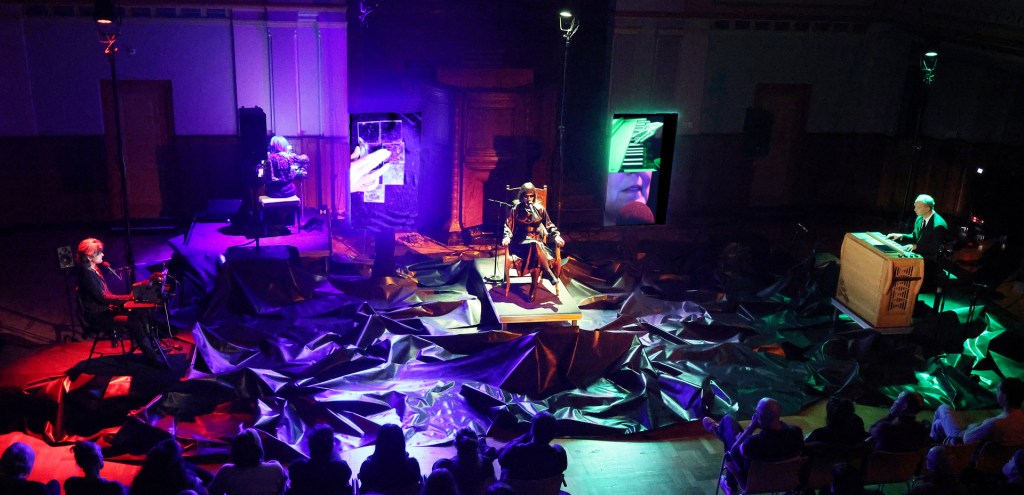
Object Collection Theatre Company Performers: Fulya Peker-voice, Kara Feely-voice, Travis Just-vocal processing, Tim Parkinson-organ, Chloë Roe-actions, Daniel Allen Nelson -production manager, Paula Matthusen-programming.
Program #1 /
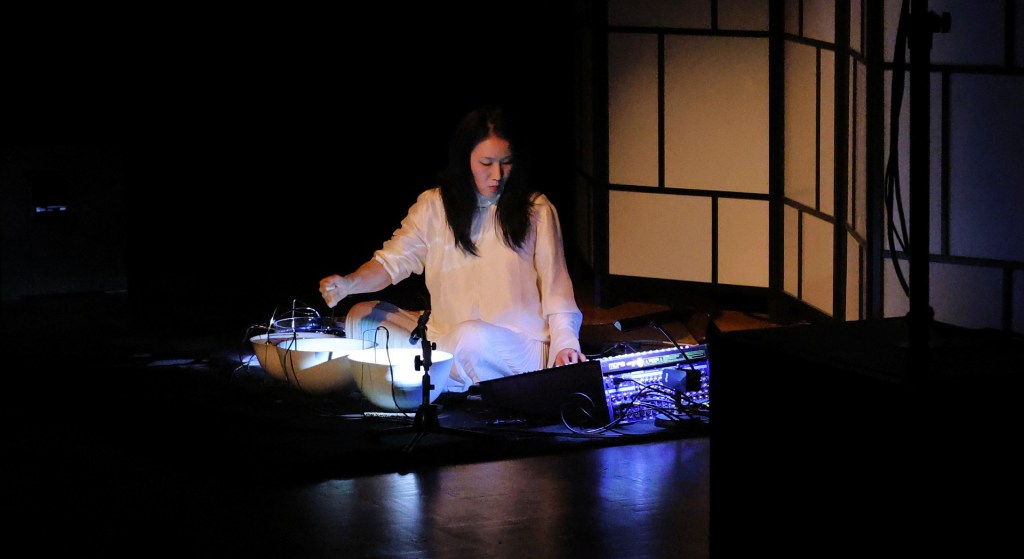
Tomoko Sauvage
Musique Hydromantique for porcelain bowls filled with water and amplified. Performer: Tomoko Sauvage
Program #2 /
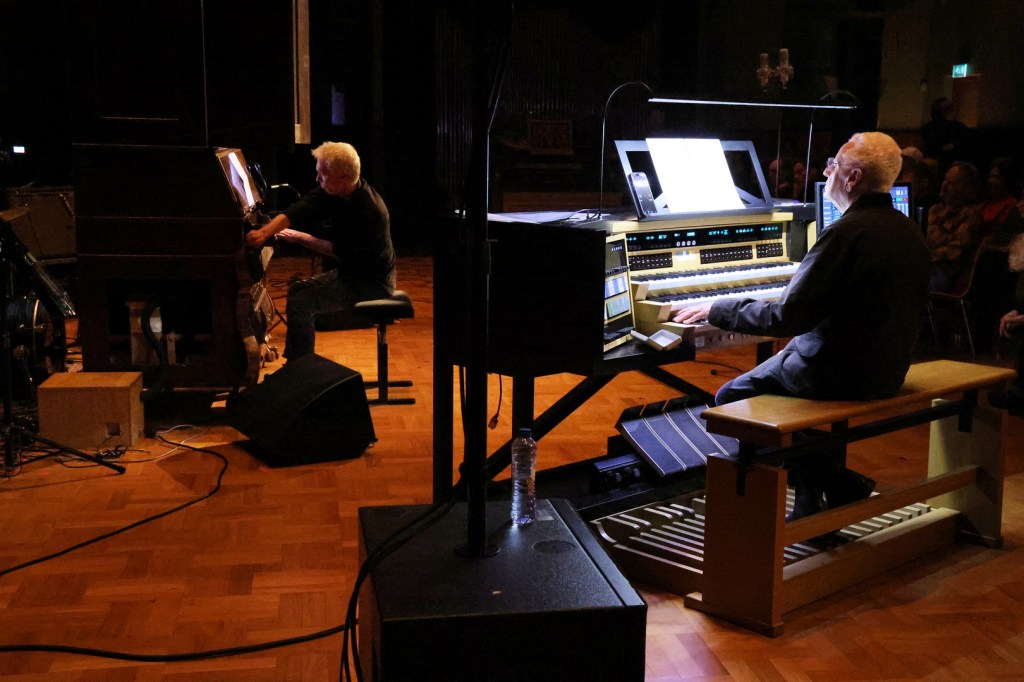
Arnold Dreyblatt
Descendants Music for Four Pipe Organs in One Space (2024-25) commissioned by the Echonance Festival (World Premiere) Performers: Arnold Dreyblatt, Reinier van Houdt, Claudio F.Baroni and Lucie Nezri, organs.
Resolve – (2023) The Orchestra of Excited Strings. Arnold Dreyblatt – excited string Bass, Joachim Schutz – electric guitar, Joerg Hille – percussion, computer-controlled electric guitar.
Program #3 /
Peter Garland
Moon Viewing Music – Inscrutable Stillness Studies #1 for three gongs (2018) Performer: Pepe Garcia
Dafne Vicente-Sandoval
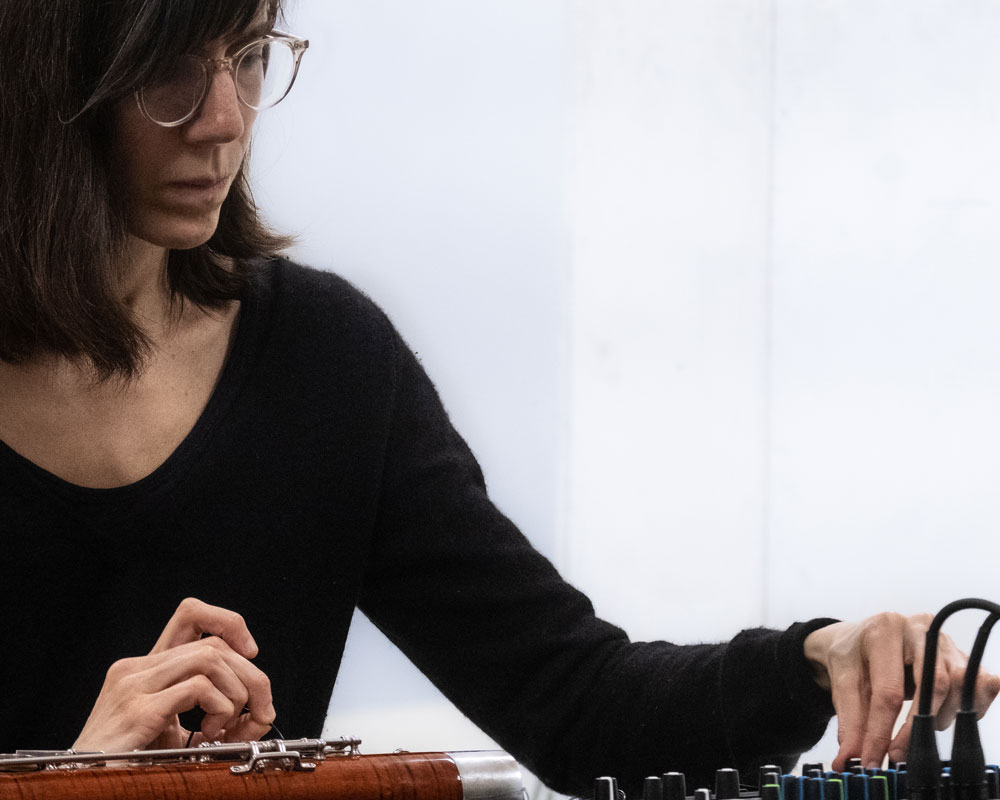
Minos Circuit Rewired for bassoon, contact microphones and electronics (2021).
Performer: Dafne Vicente-Sandoval
Program #4 /
Program #5 /
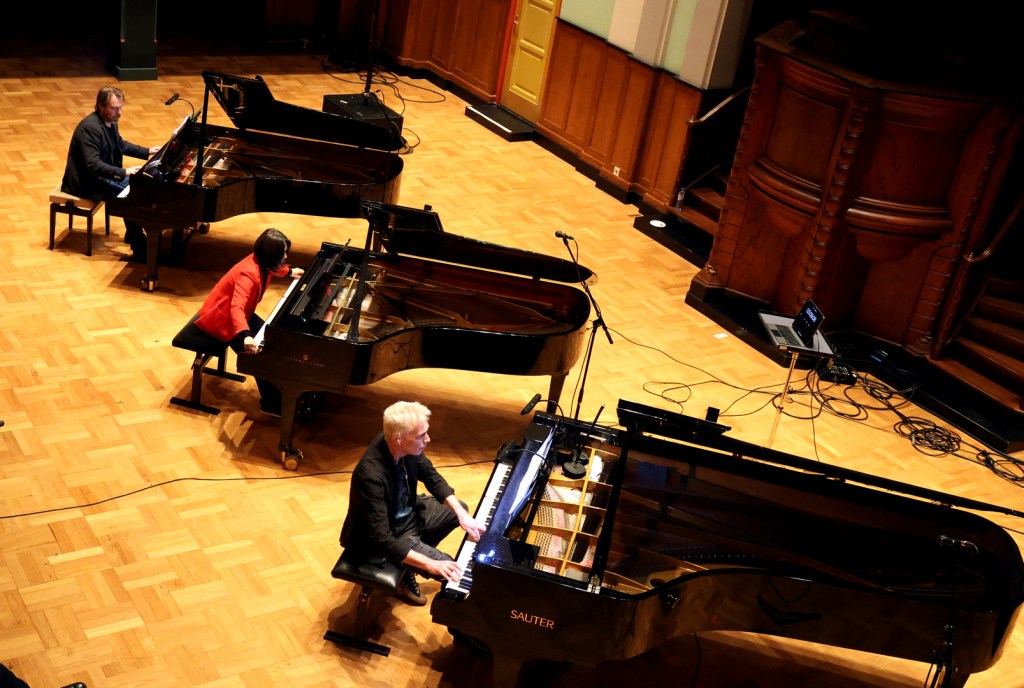
Peter Ablinger
Grisailles, for three pianos (1991-93)
Performers: Reinier van Houdt, Keiko Sichiko, and Frederik Croene.
Program #6 /
Chiyoko Szlavnics
Music (2024-25) commissioned by Echonance Festival.
1-Improvisation ( with scordatura) – (ca.18′) 2-Far Away Pipes (with hyperogans) (ca.8′)
3-Circles of Light (harmonics) (ca.6′) 4-Solar Winds (with hyperogans) (ca. 8′)
ONCEIM musicians. Performers: Jean Daufresne, Victor Auffray-Euphoniums, Patricia Bosshard-violin, Marie Schwab-viola, Julia Robert-viola, Anaïs Moreau-cello, Sebastien Béliah-double bass, and Chiyoko Szlavnics — MIDI-controlled Utopa Baroque organ, Lucie Nezri — Technical assistance / electronics .
Artists Talk /
with Chiyoko Szlavnics, Tomoko Sauvage, Arnold Dreyblatt, Dafne Vicente-Sandoval, Gilius van Bergeijk, Kara Feely and Travis Just.
Tao G. Vrhovec Sambolec, moderator.
Program #7 /
Robert Ashley
Automatic Writing
Live adaptation by Object Collection Theater Company.
Adapted by Kara Feely and Travis Just. Directed and Designed by Kara Feely
Performers: Fulya Peker (voice), Kara Feely (voice), Travis Just (vocal processing) Tim Parkinson (organ), Chloë Roe (actions) Daniel Allen Nelson (production manager) Paula Matthusen (programming).

17:00
Artist Talk
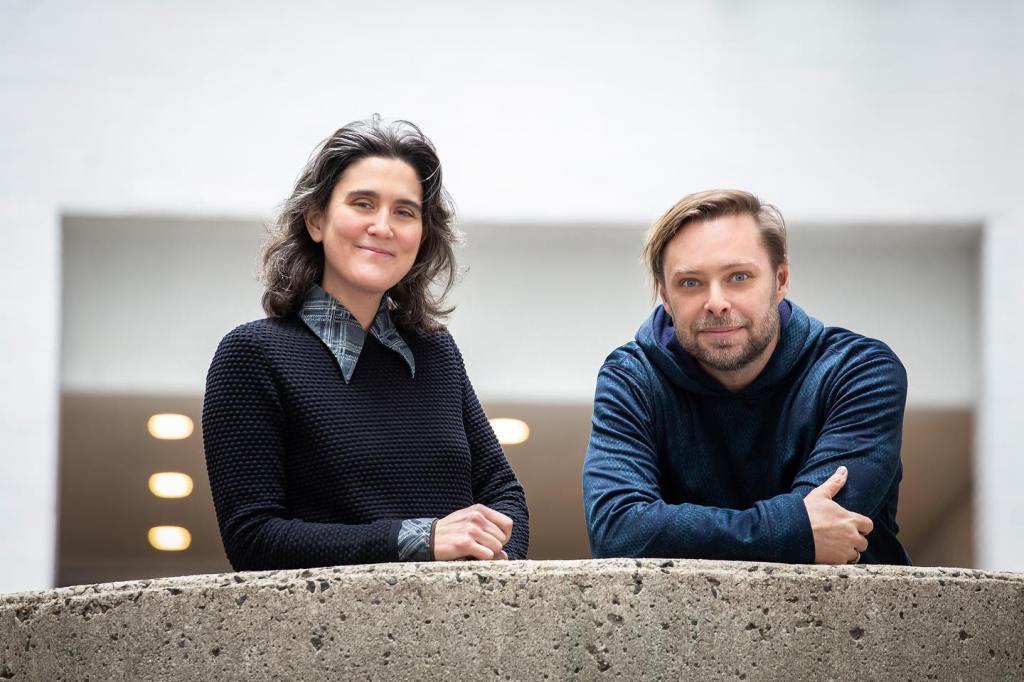
with Chiyoko Szlavnics, Tomoko Sauvage, Arnold Dreyblatt, Dafne Vicente-Sandoval, Gilius van Bergeijk, Kara Feely and Travis Just.
Tao G. Vrhovec Sambolec, moderator.
2/ Notes on the works
Musique Hydromantique
for porcelain bowls filled with water and amplified / Tomoko Sauvage
For more than ten years, Sauvage has been investigating the sound and visual
properties of water in different states, as well as those of ceramics, combined with electronics. Water drops, waves and bubbles are some of the elements she has been playing with to generate the fluid timbre. Since around 2010, hydrophonic feedback has been an obsession for the musician – an acoustic phenomenon that requires fine tuning depending on the amount of water, a subtle volume control and interaction with the acoustic space.
Descendants
Music for Four Pipe Organs
in One Space
(2024/25)
Commission for Echonance Festival #3 /
Arnold Dreyblatt
Created especially for the main hall of the Orgelpark in Amsterdam, “Descendants” is conceived in the just intonation “Dreyblatt” tuning system comprising only the first eleven harmonic overtones and their multiples based on the fundamental C (A at 415 Hz). The pitches are distributed among four different historical pipe organs in the space, filling the hall with gradually changing resonances. The work will be performed by Arnold Dreyblatt, Claudio F. Baroni, Lucie Nezri and Reiner van Houdt. The public is free to either sit or to wander in the space, shifting one’s acoustic perception from different perspectives.
Resolve
for trio (2023) /Arnold Dreyblatt
Resolve acts in dialogue with the minimalist inspirations of the first Arnold Dreyblatt & The Orchestra of Excited Strings release, 1982’s Nodal Excitation – in effect, looking beneath the hood of several decades of progression to review and renew the revolutionary intent of their microtonal foundation credo. This new Orchestra –Arnold Dreyblatt, Joerg Hille and Joachim Schütz – combine effortlessly to explore new scalar dimensions.
Moon Viewing Music – Inscrutable Stillness Studies #1 for three gongs (2018) /
Peter Garland
“This music is low and slow—an obvious correlation exists between tempo and pitch register. I might also suggest a correspondence between the round shape of the gongs and tam-tam and that of the full moon.… Each of the six pieces has a corresponding haiku or short poem, and there is meant to be a correlation between text and music….
For me moon viewing is a year-round activity, though I’m aware that it is associated with autumn in the Japanese literary tradition. This cycle was composed in the winter.
There is a unique light and intensity in a winter moon, as it rises in the darkest days (nights) of the year, and shines on a landscape of trees stripped of their leaves and of white snow that amplifies and reflects the moonlight, often creating an eerie sense of daylight—further reinforced by the shadows cast on the snow. There is also a special silence because of the extreme cold and the absence of animal, bird, and insect sounds. If autumn is the moonlight of nostalgia, winter is the moonlight of loneliness, an inscrutable stillness….”
_ Peter Garland
Minos Circuit Rewired
/ performance for microphone feedback and bassoon by Dafne Vicente-Sandoval
Minos Circuit Rewired is a site-specific exploration of the contingent musicality of
feedback. Through microphone feedback, various resonant spaces – the cavities of a disassembled bassoon, the concert room itself – are made audible, turning physical volume into frequency and unintended harmony. The fragile equilibrium that results remains transient: minimal actions, voluntary or not – such as humming, tapping, the listener’s movements – offset the feedback loop, constantly redirecting the melodic and harmonic course of the performance. Minos Circuit Rewired is a live realization of Minos Circuit, a composition which was released in April 2023 by Portraits GRM. The live performance uses the processes at stake in the composition more than the composition itself.
Minus Circuit was commissioned by INA-GRM (Groupe de Recherches Musicales).
Elements
(2024) / Gilius van Bergeijk
(4 parts : Earth, Water, Fire, Air, merge without interruption).
The four elements earth, water, fire and air were first formulated by the Greek philosopher Empedocles formulated as the basis for all existing substances. Today, they are mainly known through the work of medieval alchemists. But they also have symbolic significance: earth and fire are used in funeral rites while water and air are the main conditions for life. Life and Death, in other words.
Same and Different
(2021) / Alvin Lucier
Written for and performed by Dafne Vicente-Sandoval
“During the course of the performance an electronically generated pure wave tuned at 442 Hz flows from a single loudspeaker mounted behind and above the heads of the audience. A bassoonist plays a series of 84 long tones consisting of near-unison variations of the pure wave caused by different fingerings. Small variations in pitch cause audible beating. The farther the distance between the pitches the faster the beating; at unison, no beating occurs. Furthermore, the beating patterns may be heard to spin in space above the heads of the listeners.”
_Programme notes written by Alvin Lucier for the premiere of the piece
Grisailles
for three pianos (1991-93)/
Peter Ablinger
“Dear Hildegard
I think I can now clearly see the consequence I was avoiding – you ordered a piano piece – but my idea cannot be solved with one player – it will be for 3 players – but if necessary also for 1 player and 2 recorded parts – I am sorry on the one hand, you wanted a piano piece, but now that I admit to myself what I have known all along, it is suddenly very easy for me, everything suddenly becomes clear to me. I am sitting in Notre Dame de Paris with a view of the North Rose, around me 1000 tourists who I do not notice, or rather they do not bother me – they create something like the mechanical background noise at the Annunciation. The noise from which the individual figures and the possibility of sound stand out. And now I am listening to my – our – piece – and everything is completely clear to me, I could write it down immediately. It is already finished.”
_ Peter Ablinger, June 30, 1992
Circles of Light & Solar Winds
(2025) / Chiyoko Szlavnics
For Echonance #3
“…and the stars
Did wander darkling
in the eternal space…”
–Lord Byron, Darkness
“For the Echonances 2025 festival, I will present new works that bring together and highlight five strings (violin, 2 violas, violoncello, contrabass), two euphoniums, and the Orgelpark’s two hyperorgans: Sauer and Utopa. A new series of drawings are the basis and inspiration for dramaturgical and harmonic considerations of Just Intonation (harmonic series derived) pitches, string scordature, and the unique timbres of all of the instruments. The music will at times be cyclical in nature, with variations (Circles of Light), at other times like gusts of wind from elsewhere (Solar Winds). I hope this music will provide refreshing and strengthening colour(s) in the depths of our dark blue Winter. A word that keeps coming to mind as I write this in November, is the Germanword, “Erscheinungen.””
_ Chiyoko Szlavnics
Automatic Writing / Robert Ashley adapted for the stage by Object Collection
(1979, live version 2011, revised 2022)
About Automatic Writing:
Originally released by Lovely Music in 1979, Automatic Writing is a monolith in the field of 20th century music. Composed in recorded form over a period of five years, the piece is the result of Robert Ashley’s fascination with involuntary speech. He has recorded and analyzed the repeated lines of his own mantra and extracted four musical characters. The result is quiet, mysterious melancholy and an early form of ambient music.
“I went towards the idea of sounds having a kind of magical function of being able to actually conjure characters. It seemed to me that in a sort of psychophysical sense, sounds can actually make you see things, can give you images that are quite specific.”Robert Ashley in The Wire (August, 2003)
Object Collection note on Automatic Writing:
When we first thought of the idea of adapting Robert Ashley’s Automatic Writing for a live staging, we didn’t tell anybody about it for a year. The original recording is powerful magic and working with it was not to be done lightly.
Finally, in early 2011 we approached Bob about it. His immediate reaction was, “it can’t be done.” This wasn’t surprising; we weren’t sure if it could be done either. After about a minute of convincing and laying out our plan he suddenly and completely reversed his position to “let’s do it!” We loved him for that.
Bob came to see our own work and was very supportive when many weren’t. What this means to us is indescribable. He is gone now, but his radicality and openness will be felt for a long time to come. An astonishing artist and a good guy.
This performance is, of course, dedicated to him.
_ Kara Feely and Travis Just
3/ Biographies
Composers
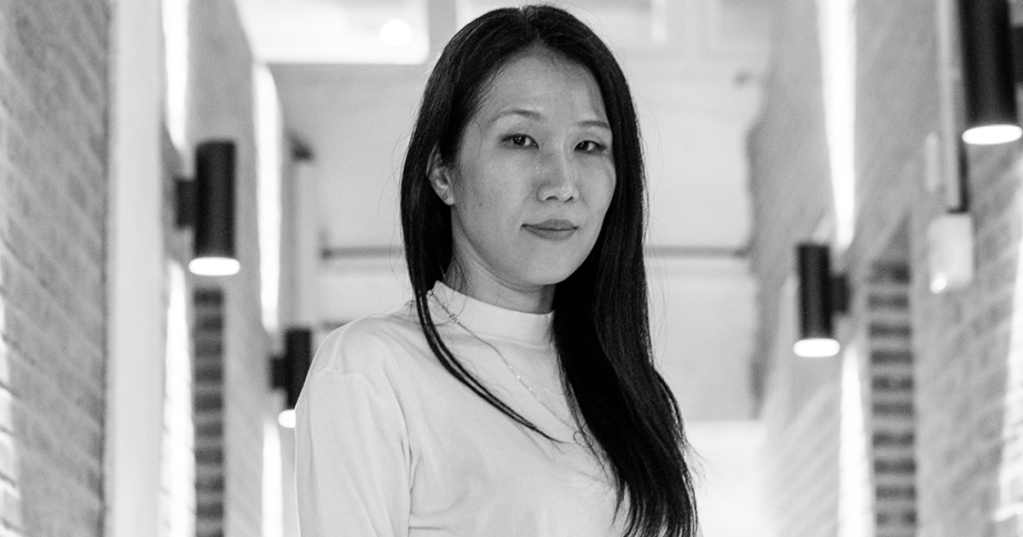
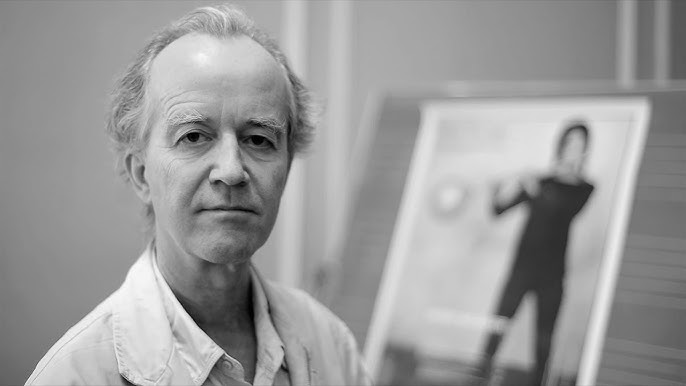
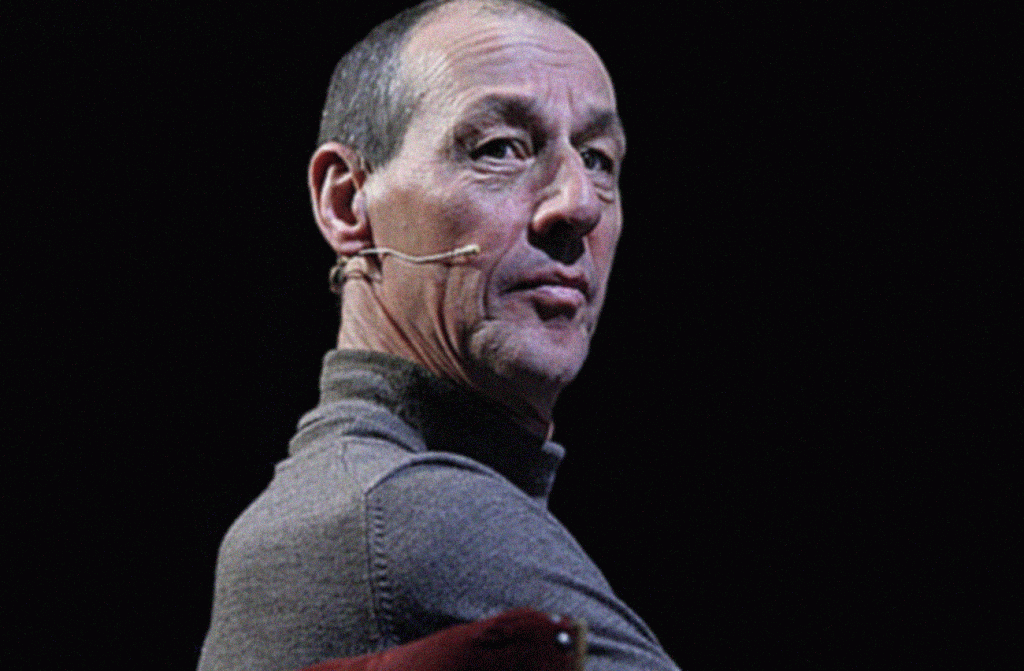
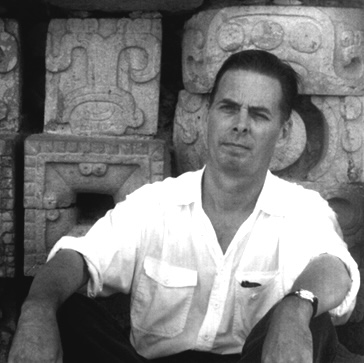
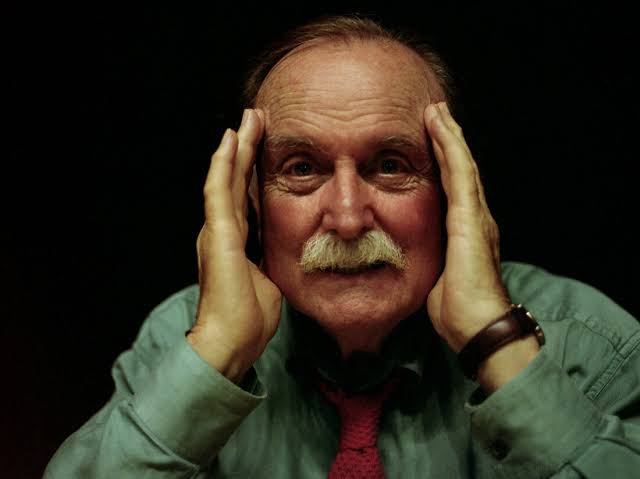
Tomoko Sauvage
A musician and sound artist best known for her long-time experimentation on instrument combining water, ceramics, sub-aquatic amplification and electronics, her research is grounded in live-performance practices that embrace the unpredictable dynamics of materials. Incorporating ritualistic gestures, Sauvage playfully improvises with environments, using chance as a compositional method.
Sauvage’s performances have been presented internationally including RIBOCA (Riga), V&A Museum (London), Manifesta (Palermo, Marseille), Museo Reina Sofia (Madrid), Roskilde Festival, Centre Pompidou Metz and Nyege Nyege Festival (Uganda). Her installation piece has recently been exhibited at Sharjah Art Foundation (UAE) and Galerie Chantal Crousel (Paris). Her third solo album Fischgeist was recorded in a water tank in Berlin and published by bohemian drips in 2020. She lives and works in Paris since 2003.
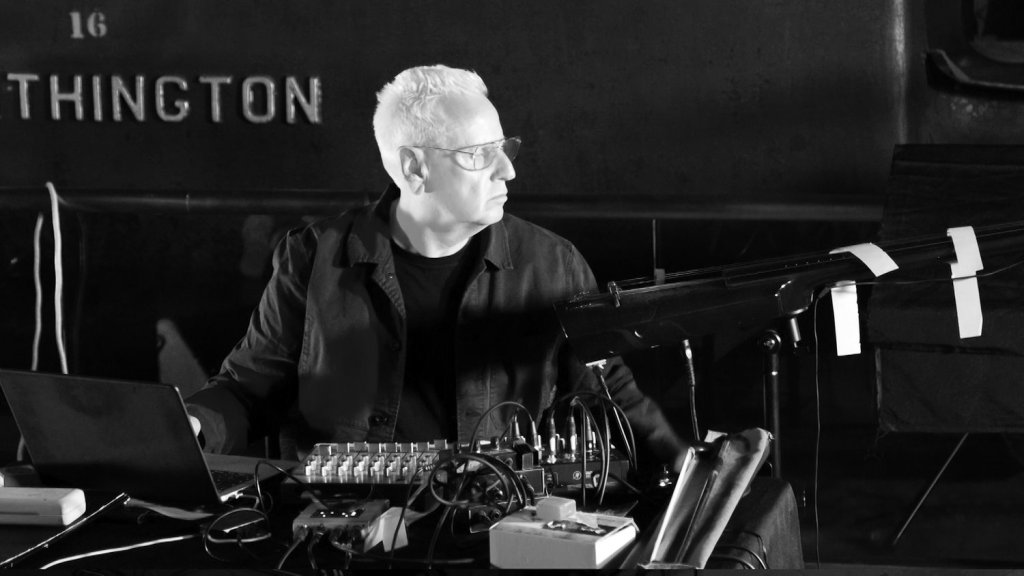
Arnold Dreyblatt
(New York City, 1953) is an American media artist and composer. He has been based in Berlin, Germany since 1984. Dreyblatt is the Vice-Director of the Visual Arts Section of the Akademie der Künste in Berlin. From 2009 to 2023 he was Professor of Media Art at the Muthesius Academy of Art and Design (Muthesius Kunsthochschule) in Kiel, Germany.
Among the second generation of New York minimal composers, Dreyblatt developed a unique approach to composition and music performance. He invented a set of new and original instruments, performance techniques and a system of tuning. His compositions are based on harmonics and thus just intonation, played either through a bowing technique he developed for his modified double bass, and other modified and conventional instruments, which he specially tuned. He originally used a steady pulse provided by the bowing motion on his double bass (placing his music in the minimal category), but he eventually added many more instruments and more rhythmic variety.
He started his studies at Wesleyan University in the 1970s and transferred to the Center for Media Study at the University at Buffalo. In 1982, Dreyblatt obtained a master’s degree in composition from Wesleyan University; his thesis was titled, “Nodal Excitation”. He studied music with Pauline Oliveros, La Monte Young and Alvin Lucier (at Wesleyan University), and new media art with Steina and Woody Vasulka.
Peter Garland
(1952) is a composer, world traveler, musicologist, writer and former publisher (Soundings Press). He studied music composition with Harold Budd and James Tenney at CalArts and maintained long friendships with Lou Harrison, Conlon Nancarrow, Paul Bowles, and Dane Rudhyar. As a musicologist, he has primarily focused on Native American, Mexican, and Southwestern American musics and 20th-century experimental composers of the Americas, championing the work of such composers as Revueltas, Partch, Nancarrow, and others long before their music became fashionable and regularly programmed. Since the early 1970s, Garland’s own music has been marked by a return to a “radical consonance” and a simplification of formal structure influenced by Cage, Harrison, early minimalism, and a great variety of world musics. His unique and highly engaging pieces has been commissioned by and performed around the world by such noted performers as pianists Aki Takahashi and Herbert Henck, percussionist William Winant, accordionist Guy Klucesvek, and the Kronos Quartet and released on the Cold Blue, Tzadik, New Albion, Mode, Avant, Toshiba-EMI/Angel and other labels. (Garland’s music appears on five previous Cold Blue CDs.)
Dafne Vicente-Sandoval
(Paris, 1979) is a bassoonist who explores sound through contemporary music interpretation and electro-acoustic performance. Her research has translated into an intuitive investigation of the bassoon’s complex acoustical properties, embracing the elusive behavior of overtones as well as the countless possibilities in timbral shadings and idiosyncratic tunings. Her instrumental practice has led to the creation of a significant body of solo pieces in close collaboration with a handful of composers (Éliane Radigue, Jakob Ullmann, Alvin Lucier, Peter Ablinger, Phill Niblock, Tashi Wada). Over the last decade, Vicente-Sandoval has concurrently pursued an exploration of feedback generation and its contingent musicality.
A graduate of the Paris Conservatory and the Musik-Akademie Basel, Vicente-Sandoval currently lives in Paris. She has published essays in Darmstädter Beiträge zur Neuen Musik, Revue et Corrigée, Blank Forms and Sound American magazines. Recent releases include Ullmann’s Müntzers stern/Solo II on Edition RZ, Niblock’s NuDaf on XI Records and Minos Circuit on Portraits GRM.
Alvin Lucier
(1931-2021) was born in Nashua, New Hampshire. He was educated in Nashua parochial and public schools, The Portsmouth Abbey School, Yale and Brandeis, and spent two years in Rome on a Fulbright Scholarship. From 1962 to 1969 he taught at Brandeis where he conducted the Brandeis University Chamber Chorus which devoted much of its time to the performance of new music. Since 1970 he has taught at Wesleyan University where he is currently John Spencer Camp Professor of Music.
Alvin Lucier has pioneered in many areas of music composition and performance, including the notation of performers’ physical gestures, the use of brain waves in live performance, the generation of visual imagery by sound in vibrating media, and the evocation of room acoustics for musical purposes. His recent works include a series of sound installations and works for solo instruments, chamber ensembles, and orchestra in which, by means of close tunings with pure tones, sound waves are caused to spin through space.
Gilius van Bergeijk
(1946)
Dutch saxophonist and composer of electronic and contemporary music, Gilius van Bergeijk studied under Kees van Baaren and Dick Raaijmakers. Beginning in 1972, he taught electronic music at the Royal Conservatory in The Hague while collaborating with notable musicians such as Peter Brötzmann, Willem Breuker, and the Instant Composers Pool.
Bergeijk’s distinctive style—characterized by the deconstruction of pre-existing music and the systematic use of a limited number of elements—is showcased masterfully on LPs released by the X-OR label, which feature some of his most iconic works. From 1985 onwards, Van Bergeijk shifted his focus primarily to electronic music, with his activity as an improvising musician taking a backseat. Among his most significant compositions are Death and Time, DES, BAC, Song of Shiny and Weezen, and Symphony of the Thousand.
Peter Ablinger
(Austria,1959). Ablinger first studied graphic arts and became enthused by free jazz. He completed his studies in composition with Gösta Neuwirth and Roman Haubenstock-Ramati in Graz and Vienna. Since 1982 he has lived in Berlin, where he has initiated and conducted numerous festivals and concerts. In 1988 he founded the Ensemble Zwischentöne. In 1993 he was a visiting professor at the University of Music, Graz. He has been guest conductor of ‘Klangforum Wien’, ‘United Berlin’ and the ‘Insel Musik Ensemble’. Since 1990 Peter Ablinger has worked as a freelance musician. From 2012-2017 he was Research Professor at the University of Huddersfield. In 2019 he was Guest Professor at the Royal Conservatory in The Hague and Leiden University. Since 2000 he has been engaged in various forms of non-institutional teaching and work with private students.
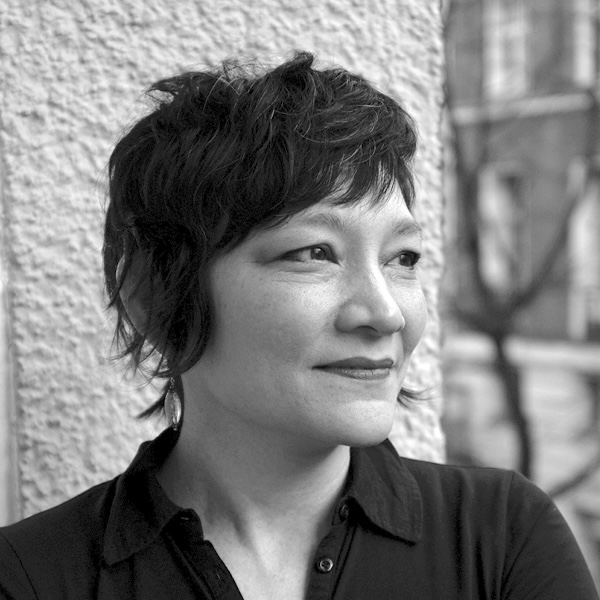
Chiyoko Szlavnics
(Canada-Germany, 1967) a Canadian composer and visual artist, whose practice is based in Berlin, Chiyoko Szlavnics began composing after graduating from university music studies in Toronto in 1989, and studied privately with James Tenney from 1993-7. A Fellowship Grant from the Akademie Schloss Solitude took her to Germany in 1997, after which she moved to Berlin and joined its fertile international experimental music community.
She composes for acoustic instruments and also enjoys programming sinewaves, often combining the two. Around the year 2000, she developed a compositional approach based on self-generated drawings. The drawings enabled her to conceive and realize a kind of music, which promotes the perception of certain psychoacoustic phenomena (beating and combination tones), through her sensitive setting of ratio-related pitch material in sustains and extended glissandi, and her careful orchestration.
Drawing became an independent artistic practice around the year 2010, and Chiyoko Szlavnics has since made numerous moiré series, which have shown in numerous exhibitions internationally.
A new octet for Quatuor Bozzini & Konus Quartett, was premiered during Konus Quartet’s 20th anniversary festival in early May, 2023, in Bern, Switzerland.
Robert Ashley
(1930-2014) American composer best known for his television operas and other theatrical works, many of which incorporate electronics and extended techniques. His works often involve intertwining narratives and take a surreal multidisciplinary approach to sound, theatrics and writing, and have been continuously performed by various interpreters during and after his life, including Automatic Writing (1979) and Perfect Lives (1983).
In the final years of his life, Ashley’s work was newly taken up by other performers. Notable interpreters of Ashley’s work have included the electronic duo Matmos, who’ve repeatedly performed their arrangements of episodes from Perfect Lives; Object Collection, who premiered a stage version of Automatic Writing in 2011; the band Varispeed, who’ve presented various site-specific, day-long arrangements of Perfect Lives since 2011; the band Trystero, who perform Perfect Lives in their memorized marathon arrangement; and Alex Waterman, who spearheaded a new Spanish-language version of Perfect Lives entitled Vidas Perfectas, performing the piece around the world and producing a new video realization as well. In 2002 he received the Foundation for Contemporary Arts John Cage Award. In 2011, Ashley’s 1967 opera That Morning Thing was restaged as part of the Performa Biennial with direction from Fast Forward. In 2014, shortly after his death, the Whitney Biennial presented three of Ashley’s operas: Vidas Perfectas and The Trial, both directed by Alex Waterman, and Crash, the opera he finished three months before he died.
Ensembles, musicians & a theater company
Orchestre de Nouvelles Créations, Expérimentations et Improvisations Musicales ONCEIM
Onceim is an orchestra made up of thirty-five high-level musicians with a variety of musical backgrounds: improvised music, jazz, free jazz, classical and contemporary and experimental music . When he created Onceim in 2011, Frédéric Blondy sought to take the exploration of sound creation to a dimension of contemporary research. With Onceim, it’s always about creating, innovating, breaking free from the limits that instruments and classical musical writing sometimes impose. Thus, in the individual and singular precision of each musician, all are at the service of the whole to produce a result never known in advance and necessarily collective.
The musicians participating this year are: Patricia Bosshard & Marie Schwarz – violins, Julia Robert – viola, Anais Moreau – cello, Sébastien Beliah – double bass and Jean Daufresnes & Vianney Desplantes – euphoniums.
Reinier van Houdt
Reinier van Houdt started working with tape-recorders, radio’s, objects and various string-instruments at a young age. He studied piano at the Liszt-Akademie in Budapest & the Royal Conservatory in The Hague. He developed a fascination for matters that escape notation: sound, timing, space, physicality, memory, noise, environment – points beyond composition, interpretation and improvisation.
Frederik Croene
After graduating from Conservatories in 1999 Frederik Croene developed a handful trajectories in which he reflects on the ever changing and multi-layered identities of the classical pianist. As the Gestalt of his instrument is grounded in 19th century romanticism, he still uses virtuosity to communicate about being a pianist. He played and recorded the classical repertoire and worked intensively with composers as Michael Beil, Johannes Kreidler, Simon Steen-Andersen, Michael Finnissey, Alexander Schubert and Stefan Prins. His formulation of the concept of Le Piano Démécanisé in an article and an LP-release in 2010 was a turning point in becoming a composer/performer.
He is a piano teacher and leads the Vinim-atelier, a place for new music experiments. In a small venue in Merelbeke (BE) he curated PXP (2015-2020), a series of concerts of experimental music.
Keiko Shichijo
Pianist & fortepianist Keiko Shichijo is a special voice in both the Classical and new music worlds. Her traditional Japanese sensibilities combined with her knowledge of European historical performance practices shape her vision, and this is reflected in her feeling for the music, the instruments and the story behind them. As a specialist in contemporary music Keiko has worked with many composers, including Helmut Lachenmann, Tom Johnson, Johannes Kalitzke, Jürg Frey, Roscoe Mitchell en Bernhard Lang.
She is a piano and fortepiano professor at the Fontys Academy for Music and Performing Arts Tilburg in the Netherlands, a piano professor at KASK & Conservatorium School of Arts Gent in Belgium.
Jose Pepe Garcia
a versatile percussionist/performer based in the Netherlands, with a great interest in classical percussion, non-western hand drumming and composition. He is a current member of the New European Ensemble and Slagwerk Den Haag (Percussion The Hague).
Garcia is currentlyon the faculty of The Royal Conservatoire in The Hague.
Joachim Schütz
The musician and producer Joachim Schütz, (Hamburg, 1969), plays electric guitar and electronics live and in the studio. Since 1990 he has been a member of the band Metabolismus. As a producer and artist, he has collaborated with Ellen Fullman, Ja König Ja, Pantha du Prince, Turner, Jeans Team, Cluster Bomb Unit, Konrad Sprenger, Arnold Dreyblatt, Mense Reents, Phillip Sollmann, Samara Lubelski, Die Vögel, Depeche Mode, Animal Collective, AA Records and Phantom & Ghost. Since 1993 he has also worked for films productions.
Theater Company Object Collection
Object Collection was founded in 2004 by writer/director Kara Feely and composer/musician Travis Just. The Brooklyn-based group operates within the intersecting practices of performance, music, and theater. They are concerned with simultaneity, complexity, and radicality, combining dense layers of text, notation, objects, and processes. They work to give audiences unconventional viewing experiences through a merging of theatricality and pedestrian activity. The company’s works upset habitual notions of time, pace, progression, and virtuosity, and value accumulation above cohesion.
Object Collection performances can take the shape of large-scale performance projects, experimental operas, and duo performances. Object Collection has premiered six original operas. Their work has toured to Norway, Denmark, the UK, Japan, Canada, Italy, and the US. Object Collection’s pieces have appeared in New York at La MaMa, Performance Space 122, Ontological Theater at St. Mark’s Church, National Sawdust, Chocolate Factory Theater, Abrons Arts Center, Invisible Dog Art Center, Roulette, and Issue Project Room, among others. Albums have been released on Slip Imprint, Infrequent Seams, and khalija. Object Collection has received extended profiles in Frieze magazine, Pitchfork, The Guardian, The Wire, BOMB, and on BBC Radio.
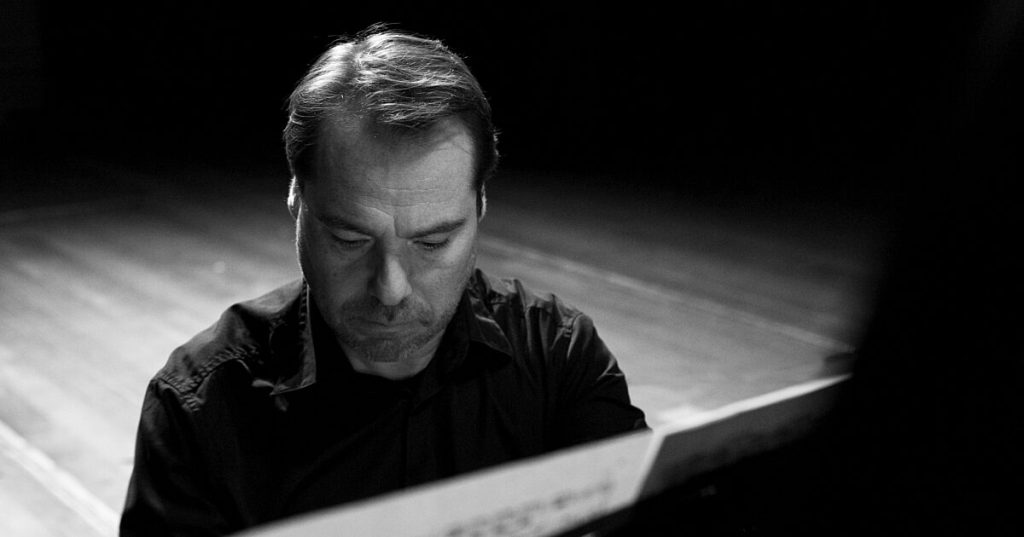
Kara Feely is a writer, director and designer for theater and interdisciplinary performance, and co-director of Object Collection. Her work draws inspiration from experimental writing and music composition strategies, and combines a variety of materials, from found text fragments and landscapes of objects, to recorded interviews and radio broadcasts. She has written/directed over 14 projects for the company.
Travis Just is a composer and co-director of Object Collection. His music often uses text, objects, and gesture in addition to instruments, voice, and electronics. He has composed many evening-length pieces, primarily for Object Collection.

Colophon
Claudio F Baroni artistic director
Reinier van Houdt artistic adviser
Lucie Nezri producer
Clare Gallagher sound engineer
Studio Isabelle Vigier design
Samuel Vriezen moderator
Made with support from Orgelpark Stichting and Amsterdam Fonds voor de Kunst
 ECHONANCE FESTIVAL